

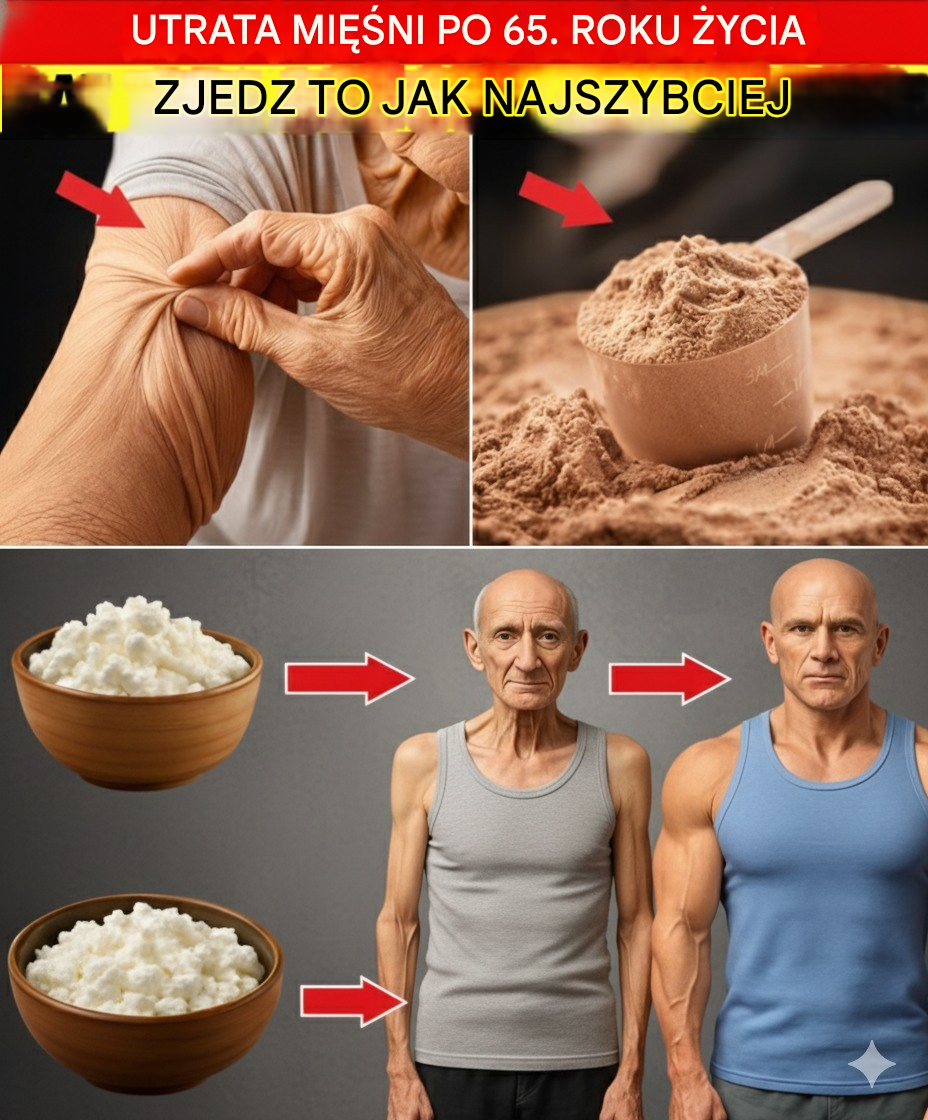
W miarę wchodzenia w połowę lat 60. i później często doświadcza naturalnej zmiany składu ciała, gdy masa mięśniowa zaczyna maleć. Ta zmiana sprawia, że codzienne ruchy wydają się bardziej uciążliwe – od noszenia zakupów po wstawanie z krzesła. Frustracja narasta, gdy zmniejszona siła wpływa na niezależność i przyjemność z aktywności, które wcześniej były uznawane za oczywiste, co może prowadzić do cyklu mniejszej aktywności i dalszego spadku. Na szczęście drobne zmiany dietetyczne mogą pomóc w utrzymaniu mięśni, a jeden dostępny produkt spożywczy wyróżnia się potencjalnymi korzyściami. Zostań, by odkryć ten codzienny produkt, który badania wskazują jako rozsądny wybór dla osób starszych — może już być w twojej lodówce.Zrozumienie zmian mięśniowych w późniejszych latach
Starzenie się przynosi wiele nagród, takich jak mądrość i więcej czasu na hobby, ale także wprowadza zmiany fizyczne.
Jedną z kluczowych zmian jest stopniowa utrata tkanki mięśniowej, często zaczynająca się około 30. roku życia, ale przyspieszająca po 65.
Proces ten, pod wpływem takich czynników jak obniżony poziom hormonów i mniejsza aktywność fizyczna, dotyka zarówno mężczyzn, jak i kobiet.
Ale jest dobra wiadomość: wybory stylu życia, w tym to, co jesz, mogą wpływać na reakcję organizmu.
Badania organizacji takich jak National Institutes of Health wskazują, że odpowiednie odżywianie pomaga utrzymać funkcję mięśni.
Znaczenie białka dla osób starszych
Białko nie jest przeznaczone tylko dla sportowców; To niezbędna dla każdego, zwłaszcza gdy się starzejemy.
Twój organizm wykorzystuje białko do naprawy tkanek, w tym mięśni, oraz do wspierania ogólnej siły.
Badania pokazują, że starsi dorośli mogą potrzebować więcej białka niż młodsi, aby zrekompensować naturalne spadki.
Na przykład przegląd opublikowany w Journal of the American Geriatrics Society sugeruje spożycie od 1,2 do 1,6 grama na kilogram masy ciała dziennie.
But not all proteins are equal—some provide sustained benefits.
And that’s where certain dairy options come into play.
Why Cottage Cheese Could Be a Game-Changer
Cottage cheese, that humble curdled dairy product, packs a surprising punch for muscle support.
Made from milk curds, it’s low in calories but high in nutrients.
A half-cup serving delivers about 14 grams of protein, mostly casein, which releases slowly.
This slow release helps with overnight muscle repair, as noted in research from the International Journal of Sport Nutrition.
Plus, it’s rich in leucine, an amino acid key for muscle protein synthesis.
But that’s not all—cottage cheese also offers calcium for bone health, tying into overall mobility.Nutritional Breakdown of Cottage Cheese
Let’s break it down further.
Cottage cheese comes in varieties like low-fat or full-fat, each with slight differences.
Here’s a quick comparison in a table for clarity:
Type Protein per 1/2 Cup Calories Fat Key Nutrients
Low-Fat (1%) 14g 80 1g High in B12, phosphorus
Full-Fat (4%) 13g 110 5g More vitamin A, healthy fats
Non-Fat 12g 70 0g Lower calories, still protein-rich
This variety makes it adaptable to different dietary needs.
Sustainability-wise, it’s an affordable protein source available year-round.
Potential Benefits Backed by Science
Now, let’s dive into what studies say.
A study published in Nutrients found that dairy proteins like those in cottage cheese support muscle mass in older adults.
Participants consuming more dairy showed better grip strength and walking speed.
Another trial in the American Journal of Clinical Nutrition linked higher protein intake from sources like cheese to reduced frailty risk.
Cottage cheese’s probiotics in some varieties may aid gut health, indirectly supporting nutrient absorption for muscles.
But wait, there’s more: its versatility means you can enjoy it without boredom.
How Cottage Cheese Fits into Daily Meals
Incorporating this food doesn’t require a diet overhaul.
Start simple: add it to breakfast or snacks.
For example, mix it with fruits for a balanced treat.
Research emphasizes consistent intake over sporadic consumption.
Here’s a list of easy ways to include it:
Top with berries and nuts for a protein-packed parfait.
Blend into smoothies for creaminess without extra calories.
Use as a base for savory dips with herbs and veggies.
Stir into salads instead of heavier dressings.
Enjoy plain with a sprinkle of cinnamon for a quick snack.
These ideas keep things fresh and doable.
Step-by-Step Guide to Choosing and Preparing Cottage Cheese
Ready to try? Follow these steps.
First, select a brand with minimal additives—check labels for just milk, salt, and cultures.
Second, store it in the fridge and use within a week for freshness.
Third, experiment with textures: small curd for smoothies, large for eating straight.
Fourth, portion it out: aim for 1/2 to 1 cup daily, depending on your needs.
Fifth, combine with exercise like walking to amplify benefits.
This approach makes it sustainable.
Addressing Common Concerns
Some worry about lactose intolerance.
Many cottage cheeses have low lactose due to fermentation.
Opt for lactose-free versions if needed.
Others question sodium content—choose low-sodium options.
And for vegans, plant-based alternatives exist, though they may differ in protein profile.
The key is finding what works for you.
Combining Cottage Cheese with Exercise
Diet alone isn’t enough; pair it with movement.
Light resistance training, like using bands or body weight, complements protein intake.
A study in the Journal of Cachexia, Sarcopenia and Muscle showed combined nutrition and exercise preserved muscle better.
Start slow: 2-3 sessions weekly.
This synergy supports long-term health.
But here’s the interesting part: timing matters.
Consuming protein post-activity aids recovery.
Real-Life Stories and Tips
Imagine a 68-year-old who added cottage cheese to her routine.
She reported feeling stronger during yoga classes.
While anecdotal, it aligns with broader trends.
Tip: track your energy levels to see changes.
Share experiences with friends for motivation.
Wrapping Up: Small Changes for Big Impact
Supporting muscle health after 65 involves mindful choices, and adding cottage cheese offers a simple, nutrient-dense option.
Backed by research, it provides protein and more to help maintain strength.
Remember, consistency and variety keep it enjoyable.
Consult professionals for personalized advice.
By incorporating this food, you’re taking a proactive step toward vitality.
Frequently Asked Questions
Jakie inne produkty wspierają zdrowie mięśni u osób starszych?
Poza twarogiem, chude mięso, jajka, fasola i orzechy dostarczają wysokiej jakości białka. Badania sugerują, że mieszanka zapewnia zrównoważone aminokwasy.
Ile twarogu powinienem jeść dziennie?
Celuj w połowę do jednej filiżanki, dostosowując ją do ogólnej diety. Badania wskazują, że rozprowadzanie białka w ciągu dnia optymalizuje korzyści.
Czy twaróg może pomóc w kontroli wagi?
Wysoka zawartość białka sprzyja uczuciu sytości, co może ułatwić kontrolę porcji. Kluczowe jest zrównoważone podejście z aktywnością.
Zawsze konsultuj się z lekarzem przed wprowadzeniem istotnych zmian w diecie, ponieważ te informacje mają charakter edukacyjny i nie stanowią porady medycznej.
Aby zobaczyć pełną instrukcję gotowania, przejdź na następną stronę lub kliknij przycisk Otwórz (>) i nie zapomnij PODZIELIĆ SIĘ nią ze znajomymi na Facebooku.